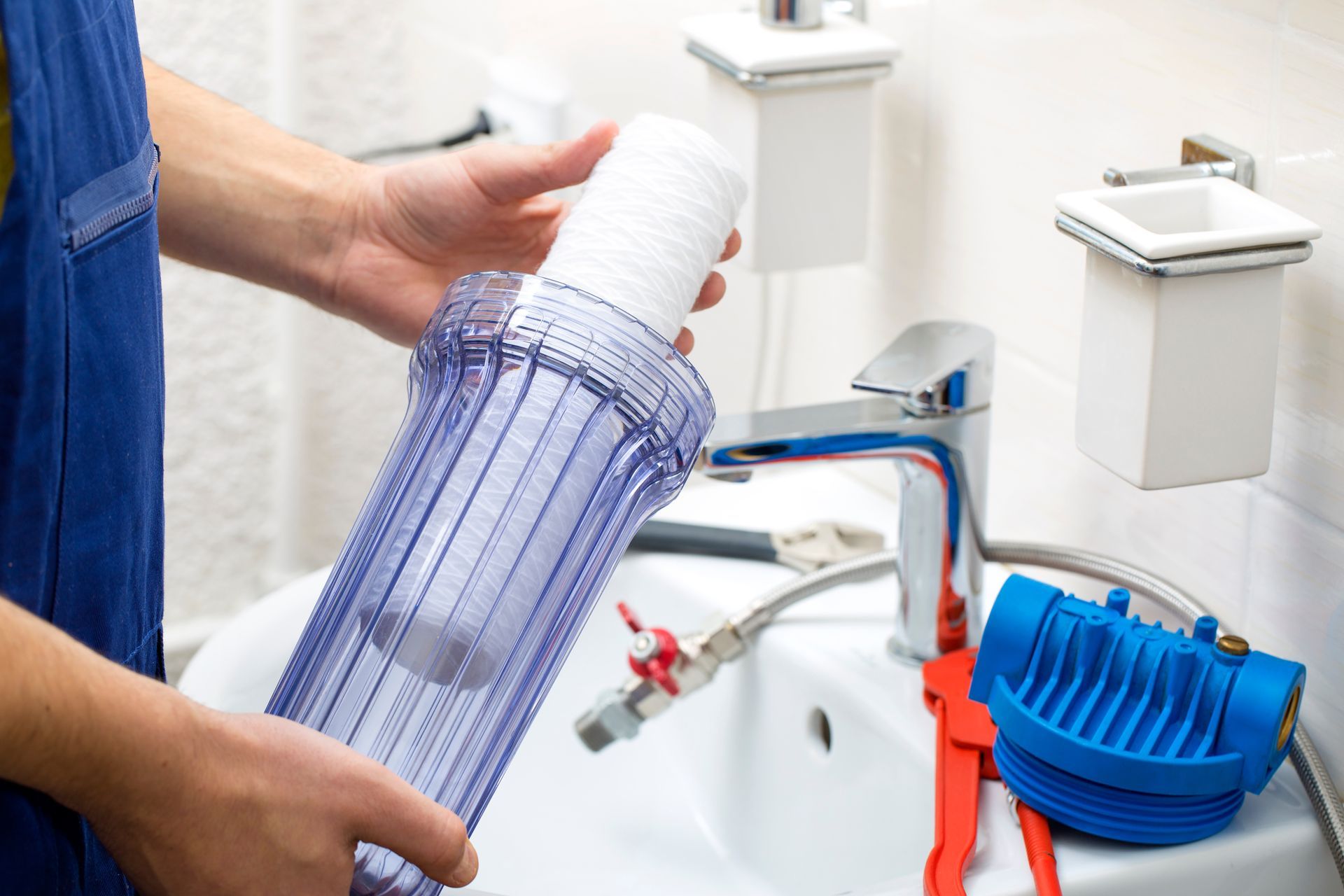
Choosing between a water softener and water filtration services is a decision many Mishawaka, IN, homeowners face, and this article explains what each system does, how they differ, and which one your home may actually need. These two systems are often confused, but they solve very different water problems.
What a Water Softener Does for Your Home
A water softener targets one specific problem: hard water minerals. It works by swapping calcium and magnesium ions for sodium ions through a process called ion exchange. The result is softer water that is gentler on pipes, appliances, skin, and laundry.
Mishawaka Utilities filters out most of the iron in the municipal supply but does not treat for hardness, and the city itself notes that a good starting point for a softener setting is 19 grains per gallon. That is a high level. For context, water above 10.5 grains per gallon is generally considered very hard.
Signs you may need a water softener include:
▸ White, chalky scale building up on faucets and showerheads.
▸ Soap that will not lather well or leaves a filmy residue.
▸ Stiff, scratchy laundry even after washing.
▸ Reduced water pressure over time from mineral buildup inside pipes.
A softener can extend the life of water heaters and appliances by reducing scale buildup. What it does not do is remove chemical contaminants, sediment, odors, or biological concerns from your water. For those issues, a filtration system is the appropriate solution.
What Water Filtration Services Actually Remove
Filtration systems address a broader range of concerns than a softener. Filtration can target sediment, chlorine taste and odor, bacteria, heavy metals, and certain chemical compounds depending on the system type.
Mishawaka Utilities adds chlorine to disinfect the water supply, with an average of 1 part per million present in the water. While chlorine is a standard and necessary disinfectant, many homeowners find it affects the taste and smell of their tap water. A carbon-based filtration system can reduce that chlorine and improve the overall experience of drinking and cooking with tap water.
Beyond taste and odor, Mishawaka's groundwater supply carries other considerations. The city relies on groundwater, which can be affected by naturally occurring minerals like arsenic and nitrate, as well as agricultural and industrial runoff. PFOS has been detected at 4.2 ng/L, just above the EPA's 4 ng/L limit. Different filtration technologies address different contaminants.
Common filtration options include:
▸ Whole-home sediment filters that protect plumbing from sand and grit.
▸ Carbon filters that reduce chlorine, odor, and certain chemicals.
▸ Reverse osmosis systems that can address a wide range of dissolved contaminants.
▸ UV filtration for homes on private well systems concerned about bacteria.
Do You Need Both a Softener and a Filter?
Some Mishawaka homes may benefit from both systems working together. A water softener handles hardness. A filtration system handles chemical and contaminant concerns. They are not interchangeable, and one does not replace the other.
For example, a home with very hard water and a detectable chlorine taste would likely benefit from a softener to protect plumbing and a carbon filter to improve drinking water quality. Homes on private wells near the Juday Creek or Fir Road corridor, or in areas with older plumbing infrastructure, may face a different combination of concerns than homes on city water. In these situations, combining a softener with a filtration system is often the most complete approach.
Here is a simple way to think about it:
▸ If your main problem is scale, soap scum, and appliance wear, a softener may be enough.
▸ If your main concern is taste, odor, or chemical contaminants, filtration is the right starting point.
▸ If you have both concerns, a combined system may serve you best.
How Do I Know Which System My Home Actually Needs?
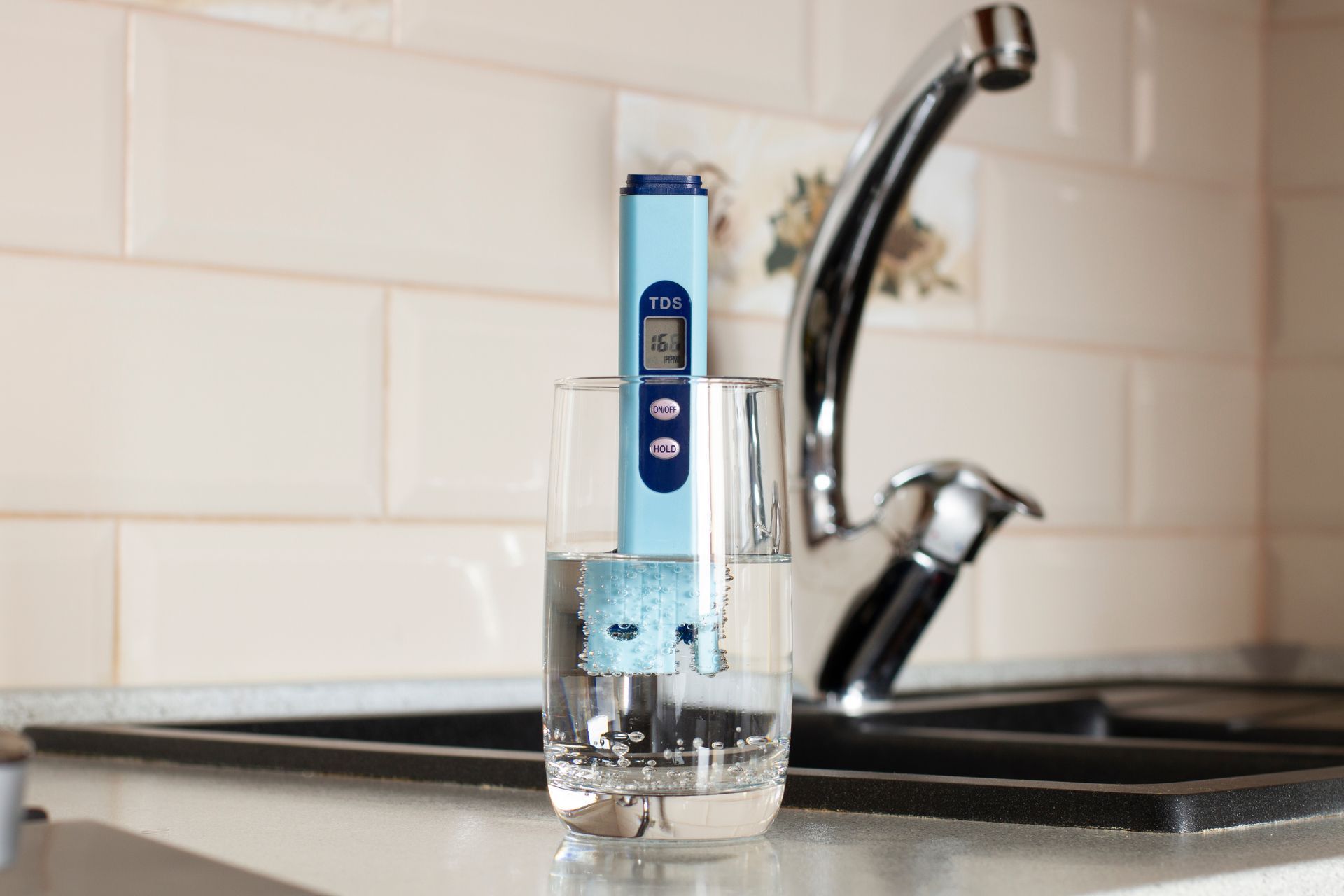
The most reliable answer comes from a water test. A professional water test can identify the specific minerals, contaminants, and hardness levels present in your tap or well water.
Homes on private wells in the Mishawaka, IN, area should test annually, as groundwater quality can shift with seasonal rainfall, nearby agricultural activity, and changes in local land use. Municipal water customers can also benefit from point-of-use testing.
Can a Water Softener Replace a Water Filter?
No, a water softener cannot replace a water filter. Softeners are designed only to remove hardness minerals through ion exchange. They do not remove chlorine, sediment, bacteria, nitrates, PFAS compounds, or other chemical concerns. Likewise, most filtration systems do not soften water.
Take the Next Step Toward Better Water in Mishawaka
The right system for your home depends on what is actually in your water, not on what works for a neighbor across town. A free water test is the clearest starting point before making any investment. Water Filtration Services are available for homeowners serving Mishawaka, IN, and the surrounding St. Joseph County area.
Maurer Well Service, Inc. has been helping Michiana homeowners navigate water quality decisions since 1969. Whether your home needs a softener, a filtration system, or a combination of both, the team can help you find the right answer based on your actual water conditions. Call
(574) 272-7524 to request a free estimate,
contact the team online, or find us on
Maurer Well Service, Inc. to read local reviews and get started.