
Signs You Need a Water Softener (And Signs It's Time for a Salt Refill)
If you live in the Michiana area, chances are your home runs on well water. Well water is great, but it often comes with a hidden problem: hardness. Hard water is loaded with minerals like calcium and magnesium, and over time those minerals can wreak havoc on your plumbing, your appliances, and even your skin and hair.
Here's how to tell if a water softener should be on your radar, and how to know if the one you already have needs some attention.
Signs You Need a Water Softener
1. Spots and film on dishes and glassware.
If your dishes come out of the dishwasher with a cloudy film or white spots, hard water minerals are likely the culprit.
2. Soap doesn't lather well.
Hard water reacts with soap and shampoo, making it harder to work up a good lather. You may notice you're using more soap than usual just to get clean.
3. Dry skin and dull hair.
Mineral buildup can leave a residue on your skin and hair after every shower, leading to dryness, itchiness, and hair that feels weighed down or dull.
4. Scale buildup around faucets and fixtures.
Chalky white or greenish deposits around faucets, showerheads, and drains are a telltale sign of hard water.
5. Appliances dying frequently.
This is one of the biggest red flags. Water heaters, dishwashers, washing machines, and coffee makers all take a beating from hard water. Mineral scale builds up inside these appliances and forces them to work harder, which shortens their lifespan considerably. If you feel like you're replacing appliances more often than you should, hard water could be the reason.
6. Reduced water pressure.
Scale buildup inside pipes narrows the space water has to flow through, which can gradually choke off your water pressure.
Signs Your Water Softener Needs Salt
Already have a softener installed? Great, but a softener only works if it's properly maintained. Here's how to know when it's time to add salt.
1. The salt level in the tank is low.
This one seems obvious, but it's easy to forget to check. Take a look inside the brine tank regularly. If the salt level has dropped below the water line, it's time to refill.
2. Hard water symptoms are creeping back in.
If you start noticing spots on dishes again, dry skin, or scale buildup after your softener has been running for a while, low salt is often the reason. Without enough salt, the resin beads inside the softener can't regenerate properly, which means they stop pulling hardness minerals out of your water.
3. A salty or odd taste in your water.
This can point to a "salt bridge," a hard crust that forms in the brine tank and prevents salt from dissolving properly, even if the tank looks full.
4. The softener isn't regenerating on schedule.
If you notice your softener cycling at odd times or not at all, it could be tied to salt level or a mechanical issue.
When to Call a Professional
A water softener isn't a "set it and forget it" system. It needs regular salt refills, occasional cleaning, and eventually a resin recharge or replacement. If you're not sure whether your water is hard, whether your current softener is working the way it should, or what size system your household actually needs, that's exactly what we're here for.
Maurer Well Service has been serving well owners across South Bend, Niles, Edwardsburg, and the greater Michiana area since 1969. We can test your water, recommend the right filtration and softening setup for your home, and keep your system running so your appliances, plumbing, and skin all thank you for it.
Give us a call today for a free estimate.

Signs You Need a New Well Pump or Tank
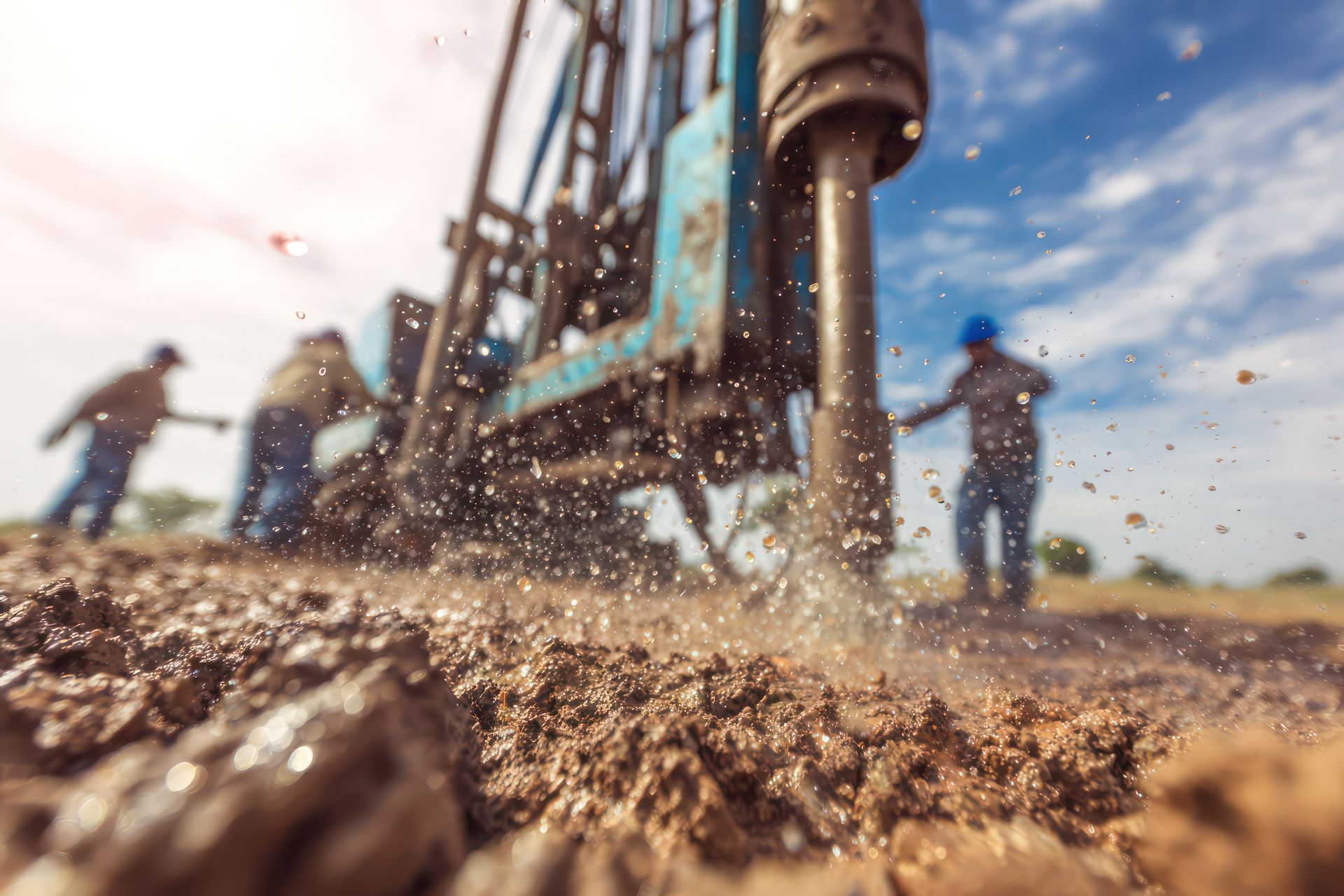
Find a licensed water well service company serving Cassopolis, MI. Maurer Well Service offers full-service well solutions. Get a free estimate today.
Know when to repair or replace your pump with expert water well service near Dowagiac, MI. Maurer Well Service offers free estimates. Call today!

A Year in Review: Maurer Wells Charitable Contributions Throughout St Joe County
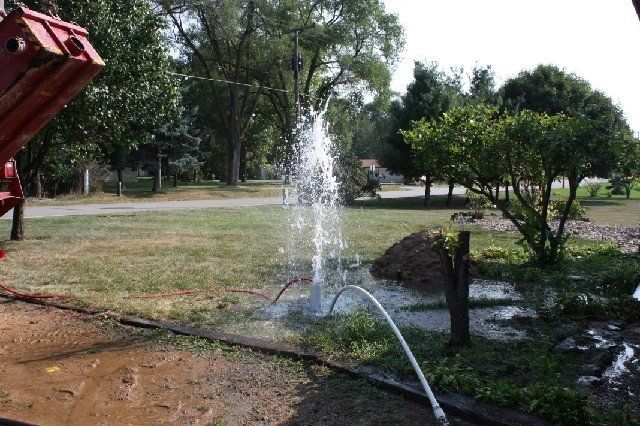
Repair or replace your well pump? Get expert residential pump service in Granger, IN, with Maurer Well Service, Inc. Click here for homeowner insights!
Maurer Well Service, Inc. offers reliable residential pump service in Granger, IN. Contact us today at 574-272-7524 to keep your water flowing smoothly.
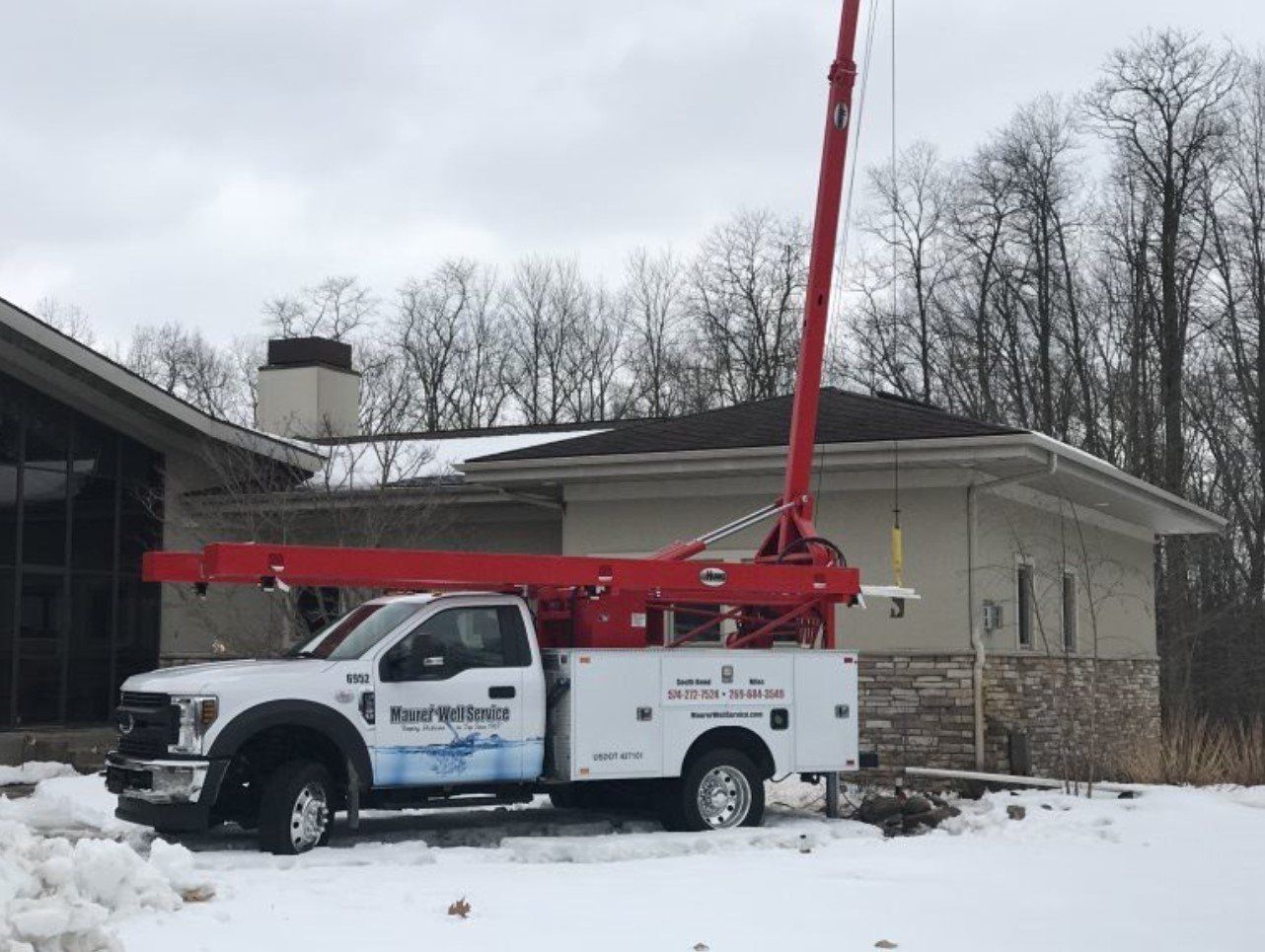
Maurer Well Service offers expert residential well service in Granger, IN, to keep your water clean and reliable. Visit our website for more info.
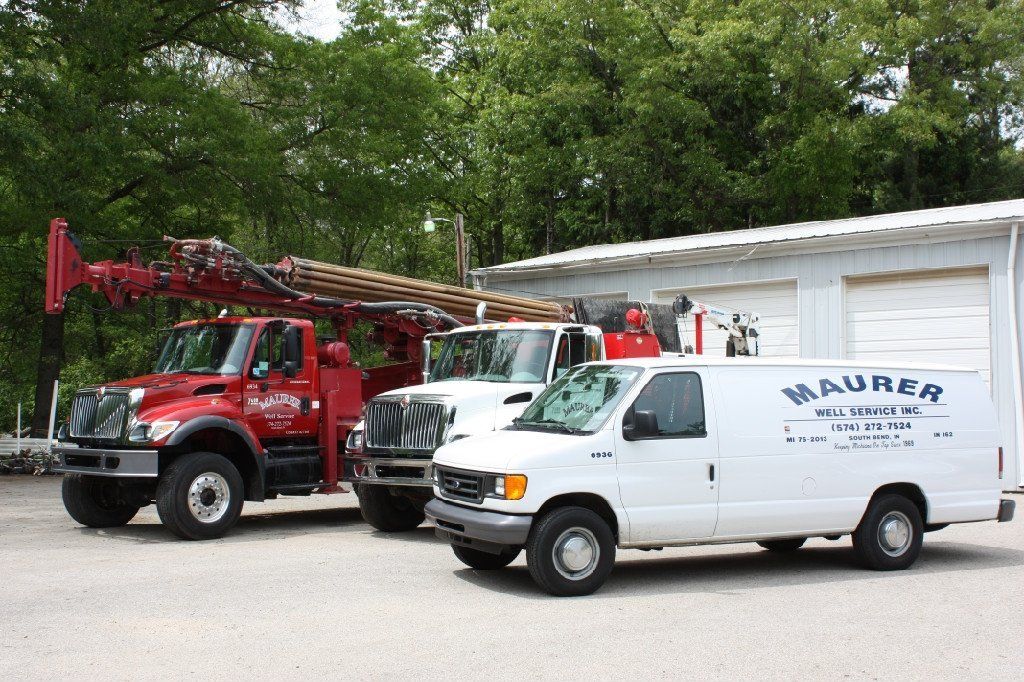
Maurer Well & Pump Service Inc provides expert residential well service in Granger, IN. Call 574-272-7524 today to schedule your consultation.
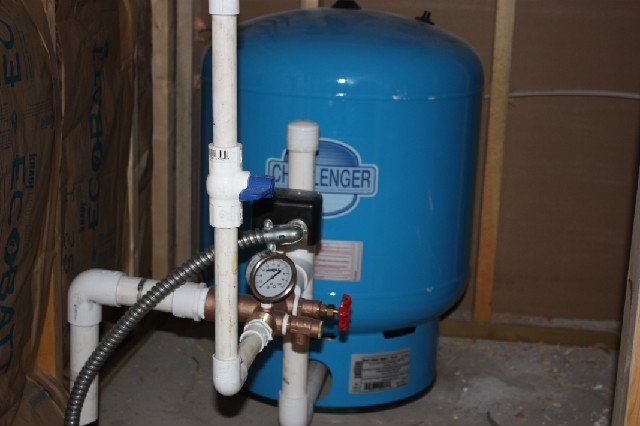
Trust Maurer Well Service, Inc for expert local water well service for Granger, IN. Call 574-272-7524 for inspections, maintenance, and more solutions.

Looking for a water well service company in Granger, IN? Maurer Well Service, Inc. provides expert installation, repairs, water testing, and more. Click here!