Residential well drilling in South Bend starts with paperwork before the drill rig ever arrives. Homeowners who understand the permit steps can plan the site, schedule the work, and avoid delays once the crew is ready to start. This guide explains how the St. Joseph County well application works, what information the county asks for, and how the steps fit into a residential well drilling project from start to finish.
Why the Permit Comes First
A residential well is a permanent connection to groundwater, so the county needs to review the proposed location and construction before drilling begins. The permit process protects the aquifer and the neighboring properties, and it gives the homeowner a documented record of the well. A residential well drilling project that starts with a complete application tends to move more smoothly from the first visit to the final test. Starting the permit early helps the drilling schedule stay on track, especially for new construction where the house and the well are planned together. Homeowners who plan residential well drilling alongside the building schedule often avoid the costly rework that comes from moving a well after the foundation is set.
Understanding the Well Application
The St. Joseph County Department of Health, Environmental Health Services unit, administers the well application. The county application asks whether the well is for residential, non-residential or non-public, or public use, and whether the well is potable or non-potable. It also has a separate option for abandonment only, which applies when an old well is being sealed rather than replaced. Choosing the correct category at the start avoids corrections later.
What Information the Application Asks For
The application asks for the property owner's information, the property location, and the intended use of the well. Owners should have the parcel details, the address, and a clear idea of where the well will sit on the lot before they start the application. Many applicants find it helpful to walk the lot with a contractor before filling out the residential well drilling paperwork. A site sketch that shows the house, driveway, septic system, and property lines helps the reviewer confirm the proposed location.
Setback Distances and Site Planning
Setback distances protect a well from nearby sources of contamination, such as septic systems, drain fields, and surface drainage. Before choosing a location, owners should identify the septic system, the house foundation, and any drainage features on the lot. A well driller can review these distances during the site visit and recommend a location that meets the county's requirements.
The Permit Steps From Start to Finish
A typical residential well drilling project follows these steps:
- Site review: Walk the property, identify the best well location, and check the setback distances.
- Application: Complete the county well application and submit it to the St. Joseph County Department of Health.
- County review: Allow the county time to review the application before drilling begins.
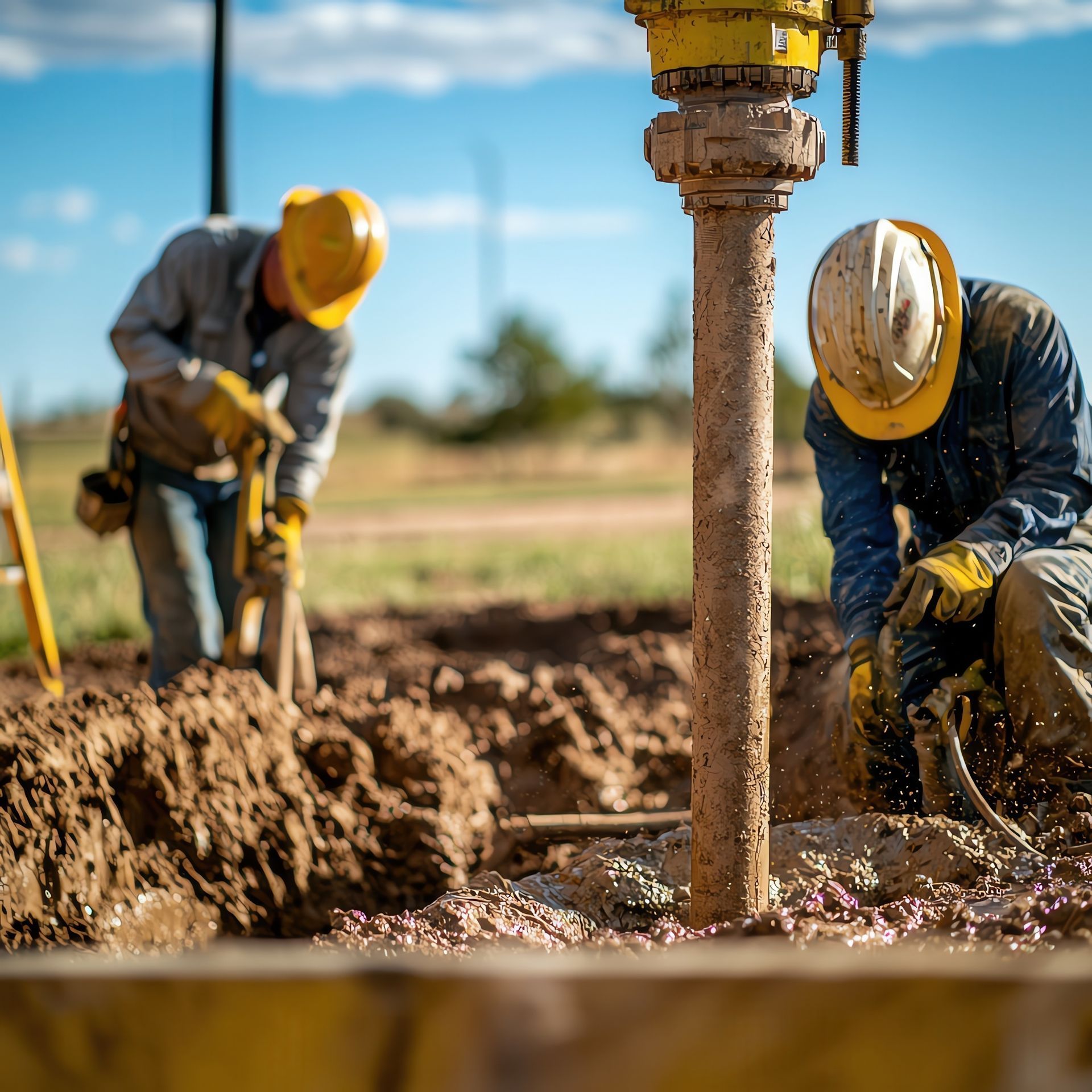
- Drilling: Once the application is approved, the drilling crew sets up and drills the borehole.
- Completion and records: The well is cased, grouted, and tested, and the completion details are documented for the homeowner.
Common Permit Mistakes to Avoid
Several mistakes can slow a residential well project. Owners sometimes choose the wrong well category, leave out the site sketch, or start drilling before the application is approved. Others plan the well location without checking the septic system, which can require a new location and a revised application. Reviewing these points before submitting the application prevents most delays.
Working With a Well Contractor on the Permit
A licensed well contractor can prepare the application, check the setback distances, and coordinate the drilling schedule with the county. Contractors on the St. Joseph County registered well contractor list can review the application with you before it is submitted, and a contractor who checks the site first can flag issues early. Ask the contractor for a written timeline that shows when the application is due and when drilling can begin.
Questions to Ask Before You Submit the Application
- Which well category applies to my property?
- What site information does the county need on the application?
- How far is the proposed well from the septic system and the house?
- What is the expected timeline from application to drilling?
- Who will handle the county paperwork, and who will be on site during drilling?
Plan Your Well Project With Us!
A well permit is much easier to complete when the site plan is ready. To request an estimate and a site review for a residential well drilling project, call (574) 272-7524. You can also review our South Bend pump and water softener service page for related well services, and our water well installation page for installation options.
Maurer Well Service, Inc., in South Bend, IN, helps homeowners plan residential well projects in the Michiana area. Read reviews on our
Google Profile before you request an estimate.